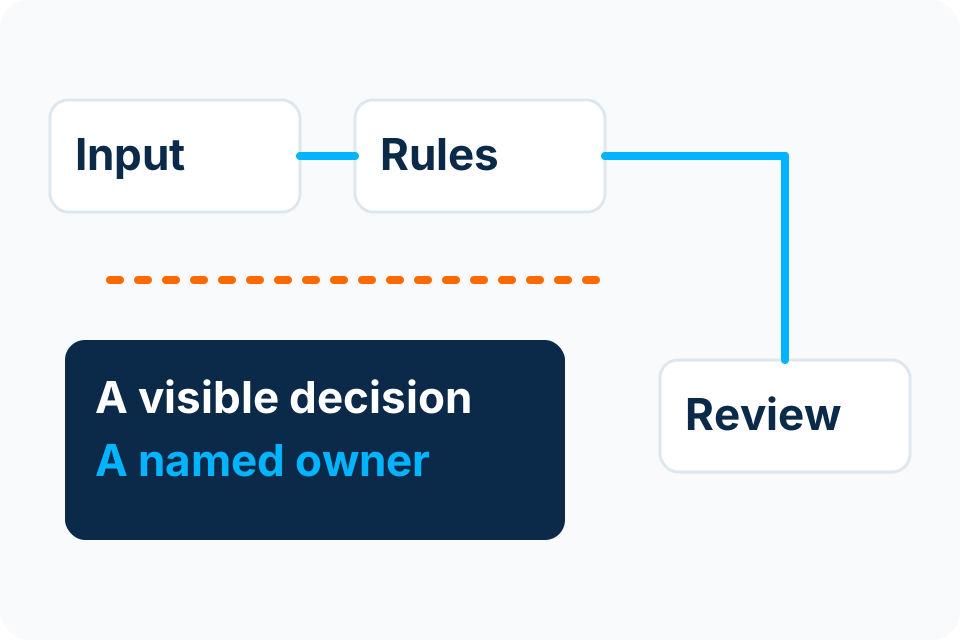
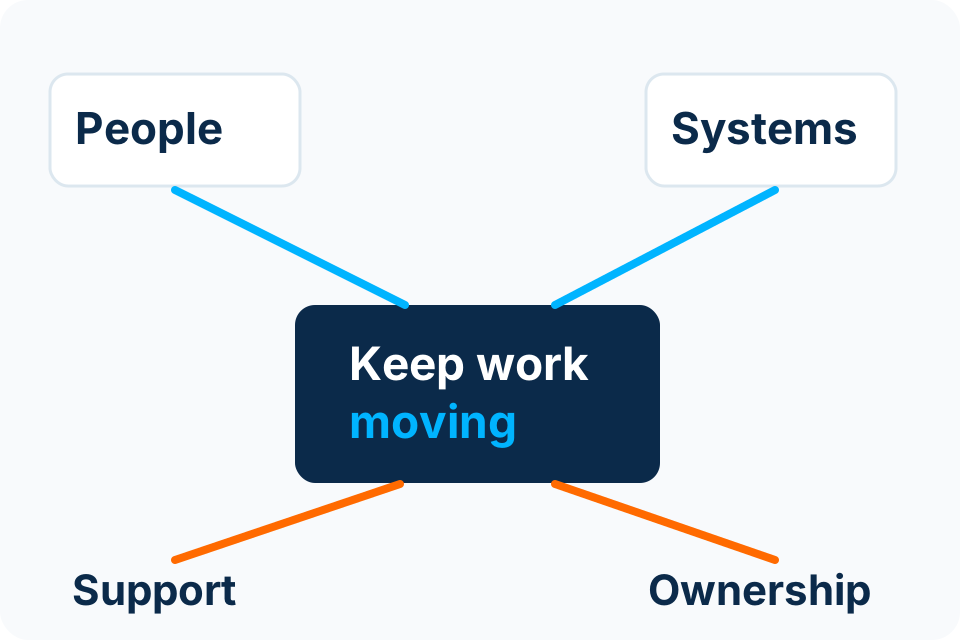
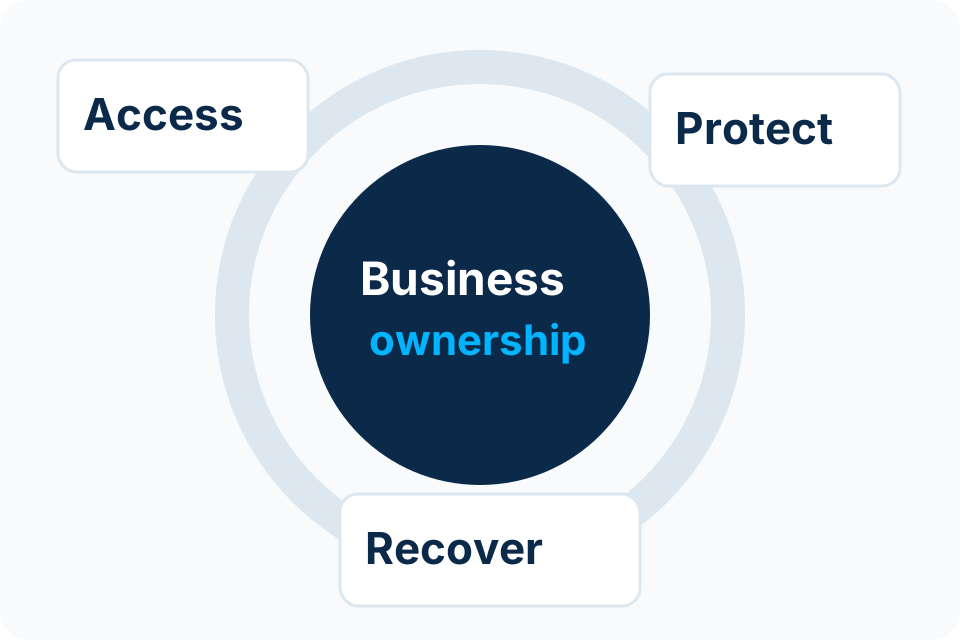
An automation needs an operating owner after delivery. Someone must notice stalled work, understand the business consequence and control changes to rules, access and connected systems.
Write the acceptance criteria before a pilot begins. The test should show whether the agreed business boundary works, including difficult inputs and interrupted handoffs.
Before connecting two systems, agree which one owns each record and how the connection will recognise a completed action. Access alone is not an integration specification.
Design the invoice exception queue before automating the normal path. It is where uncertain information, disputed matches and unauthorised changes become visible to the right person.
An approval workflow is a record of authority as well as a sequence of steps. Design who may decide, what they must see and what happens when nobody can act.
IT onboarding is complete when the new employee can perform the agreed work with appropriate access and knows how to get help. An account-created notification is only part of that outcome.
Choose an IT operating model by the responsibilities the business needs covered. In-house, outsourced and shared arrangements can all work when decision authority and handoffs are explicit.
A managed IT agreement should say which people and systems are supported, how requests are handled and what work needs separate approval. “Unlimited support” is not a complete scope.
A cybersecurity assessment should produce a prioritised account of what was examined, what was found and who should act. A score without scope or evidence is difficult to use.