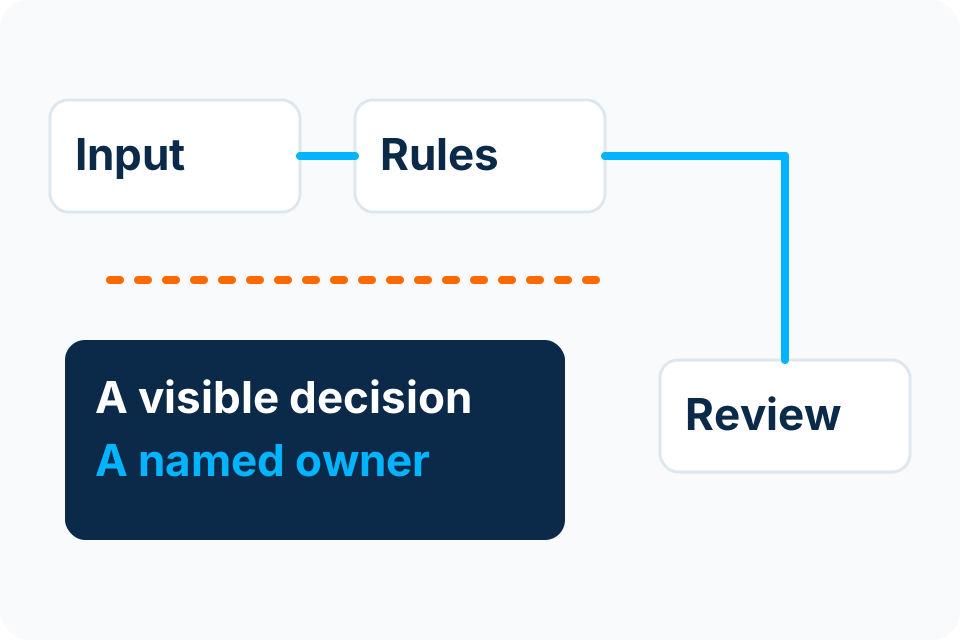
Map one real case from arrival to completion before discussing tools. The map should expose the people, records, waiting and exceptions that an automation proposal must handle.
Choose an integration route by the dependency you can maintain. A supported API and a screen-driven automation can both be useful, but they fail and require support in different ways.
A shared spreadsheet needs a workflow when the problem is ownership, status or controlled handoffs. Replacing the file with a new application will not resolve an undefined process by itself.
Plan the conversation and human handoff before automating WhatsApp. The customer should understand what the system can answer, what information to provide and when a person needs to take over.
Estimate automation value from observed work and explicit assumptions. Released staff capacity, avoided rework and cash savings are different outcomes and should be reported separately.
Put human review where the consequence and uncertainty require it. A person clicking “approve” is meaningful only if they have the authority, evidence and time to make the decision.
Decide whether a tool is authorised for the information before entering business data. A useful AI response does not establish permission to share the underlying records.
An automation needs an operating owner after delivery. Someone must notice stalled work, understand the business consequence and control changes to rules, access and connected systems.
Write the acceptance criteria before a pilot begins. The test should show whether the agreed business boundary works, including difficult inputs and interrupted handoffs.
Before connecting two systems, agree which one owns each record and how the connection will recognise a completed action. Access alone is not an integration specification.