Specify a business laptop from the work, applications and connections it must support. A familiar processor badge or attractive chassis does not establish that the complete device fits the user.
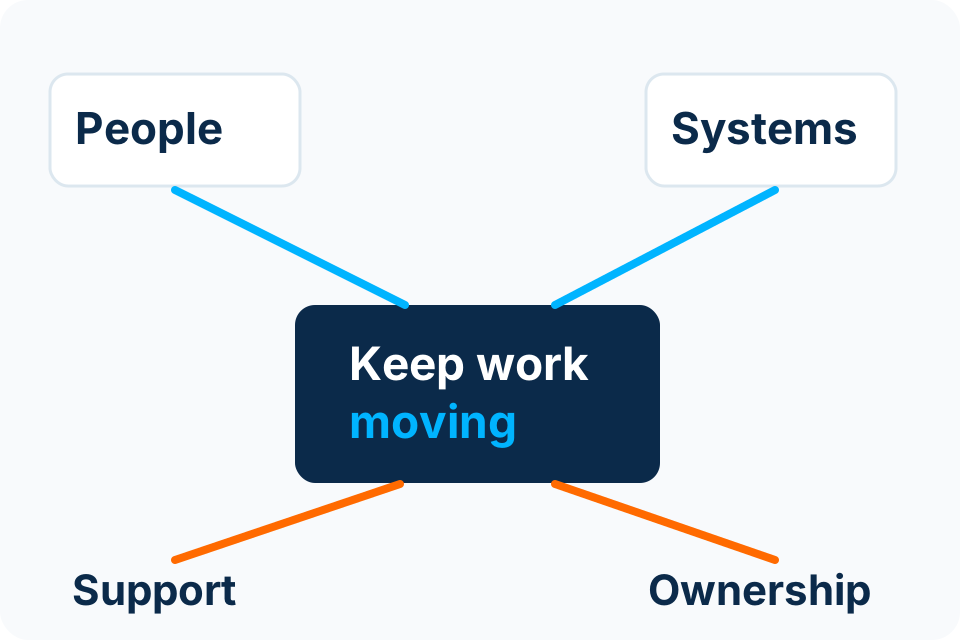
Website maintenance should identify the work that keeps the agreed customer journeys usable. “Keep it updated” needs an owner, a change process and evidence beyond a successful update notification.
After a website becomes crawlable, check discovery and indexing with actual evidence. A page being published in WordPress, accessible to a browser and indexed by Google are different states.
Prepare the product, payment and fulfilment decisions before choosing the store’s visual design. A shop is ready when the information and operating responsibilities can support a real order journey.
Prepare approved business information before asking a design to carry it. Clear service scope, accurate contact details and usable images make the page structure easier to build and review.
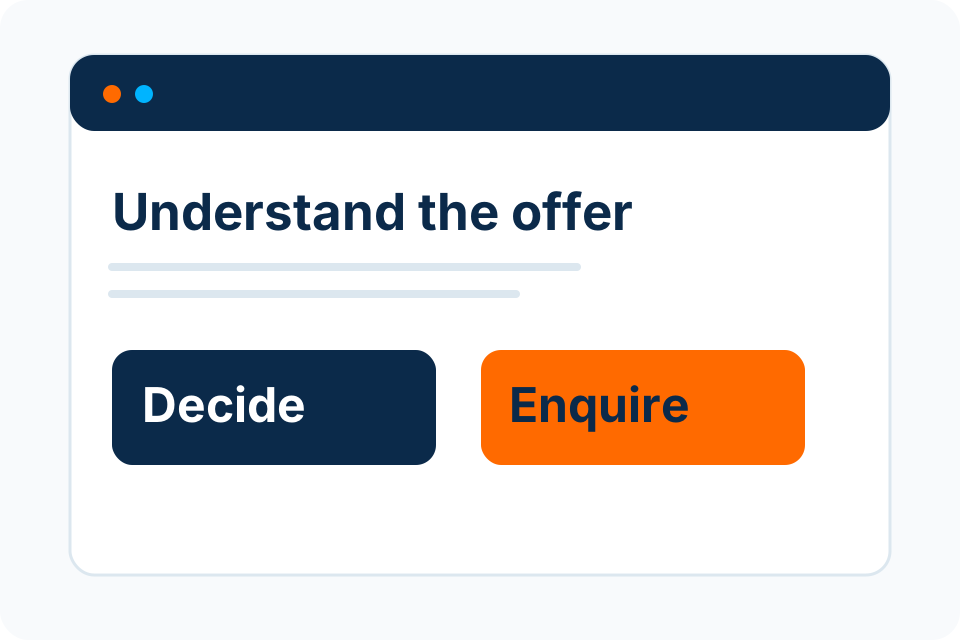
Compare website quotations using the same scope and time period. A lower headline amount may exclude content, recurring services or a customer journey that another proposal includes.
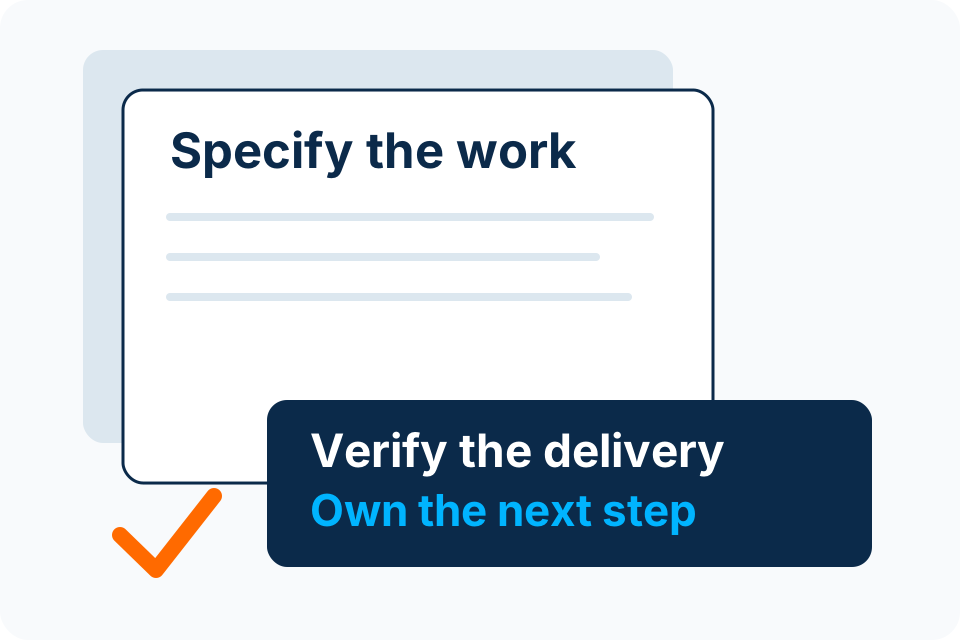
A useful website brief defines the customer decision, the required pages and the responsibilities behind delivery. It gives the designer enough clarity to propose a scope without guessing your business.
An IT asset register should help answer who owns a device, what work it supports and what decision is due next. Collect fields that your team can keep accurate and actually use.
A useful IT request tells the support team what happened, who is affected and what the business needs restored. Clear evidence saves the first conversation from becoming a guessing exercise.